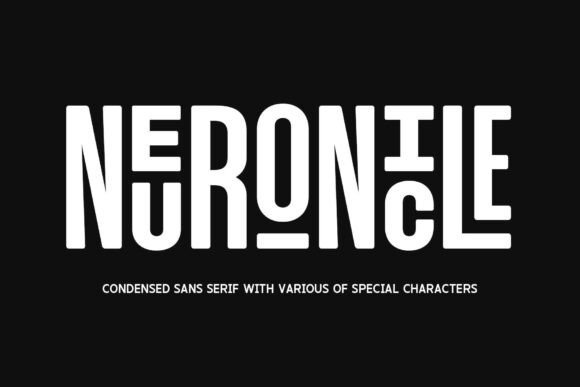
Neuronicle: A Playful Yet Sophisticated Display Font for Modern Design
Neuronicle is a condensed sans display font that strikes a balance between boldness and elegance. With its rounded corners and strong visual presence, it offers a relaxed yet modern aesthetic. Designed specifically for headlines and display use, Neuronicle brings a distinctive personality to projects that require visual impact without sacrificing refinement.
Understanding Neuronicle’s Design Characteristics
At its core, Neuronicle is a condensed sans-serif typeface, which means it occupies less horizontal space while maintaining readability. Its bold weight gives it a commanding presence, making it suitable for titles, logos, and other high-visibility design elements. The font’s rounded edges contribute to a friendlier, more approachable appearance, distinguishing it from more rigid or angular display fonts.
One of Neuronicle’s standout features is its expressive versatility. It includes a comprehensive set of typographic tools such as ligatures, stylistic alternates, small caps, and three distinct stylistic sets. These features allow designers to create unique compositions by mixing and matching character variations, enhancing the font’s creative potential.
Why Designers Might Choose Neuronicle
Designers often look for typefaces that can convey both personality and professionalism. Neuronicle fits this need by blending playfulness with sophistication. It works well in branding projects that aim to be memorable without appearing overly casual. Similarly, in editorial and advertising contexts, it can help headlines stand out while maintaining a polished look.
The font’s PUA encoding ensures that all special characters and alternates are easily accessible across design software, streamlining the customization process. This technical advantage makes Neuronicle a practical choice for designers who want to maintain creative control without encountering compatibility issues.
Key Benefits of Using Neuronicle
- Versatile Stylistic Options: With multiple stylistic sets and alternates, designers can tailor typography to match the tone of a specific project.
- Strong Visual Impact: Its condensed structure and bold weight make it ideal for headlines and display text that need to capture attention.
- Playful Yet Professional: The rounded edges soften the font’s appearance, allowing it to feel friendly without compromising on elegance.
- Comprehensive Character Set: Neuronicle supports a full range of capital letters, numbers, punctuation, symbols, and accented characters, making it suitable for international use.
Considerations and Potential Tradeoffs
While Neuronicle offers many creative advantages, it’s important to consider its intended use. As a display font, it performs best in large-scale applications such as posters, logos, and banners. It may not be the best choice for long blocks of body text, where readability and spacing are more critical.
Additionally, its condensed nature means that spacing between letters can become tight, especially in all-caps settings. Designers should evaluate tracking and kerning adjustments to ensure legibility, particularly when using Neuronicle in low-resolution or small-scale digital formats.
When Neuronicle Excels
Neuronicle shines in design contexts that benefit from a bold, expressive presence. It’s particularly well-suited for:
- Brand Identity: Logos, packaging, and marketing materials that aim to stand out with a modern, distinctive look.
- Editorial Design: Magazine covers, section headers, and feature titles where visual appeal is key.
- Advertising and Promotional Materials: Posters, banners, and social media graphics that require attention-grabbing typography.
- Web and UI Design: Buttons, headlines, and interface elements that benefit from a playful yet polished aesthetic.
When Alternatives Might Be Better
While Neuronicle offers a unique blend of characteristics, there are situations where alternative fonts may be more appropriate. For example, if a project requires a more neutral or minimalist tone, a simpler sans-serif like Montserrat or Poppins might be a better fit. Similarly, if the design calls for a serif font with a traditional or classic feel, Neuronicle’s modern, rounded style may not align with the intended message.
For body text or long-form reading environments such as websites, blogs, or printed articles, a more legible and open typeface would be preferable. Neuronicle’s condensed structure and stylistic flourishes make it less ideal for extended reading, where clarity and spacing are more important than visual flair.
Practical Insights for Decision-Making
When evaluating whether Neuronicle is the right choice for a project, consider the following factors:
- Project Purpose: Is the font being used for headlines, logos, or display elements? If so, Neuronicle is well-suited. If the font needs to support body text or functional UI elements, alternatives may be more appropriate.
- Target Audience: Neuronicle’s playful yet modern aesthetic may appeal more to younger or creative audiences. If the audience expects a more formal or traditional tone, a different font may be better.
- Technical Compatibility: Because Neuronicle is PUA-encoded, it should work smoothly in most design software. However, if the project involves complex web-based typography or cross-platform integration, additional testing may be necessary.
- Customization Needs: If the design benefits from typographic variety and expressive options, Neuronicle’s stylistic sets and alternates offer valuable flexibility.
Final Thoughts
Neuronicle is a versatile and expressive condensed sans-serif font that offers both visual impact and typographic richness. Its combination of boldness, rounded edges, and extensive stylistic options makes it a compelling choice for designers seeking to create standout visuals in branding, advertising, editorial, and digital contexts.
However, like any design tool, it’s most effective when used thoughtfully and in alignment with the project’s goals. By understanding its strengths, limitations, and ideal applications, designers can determine whether Neuronicle is the right fit for their specific needs.