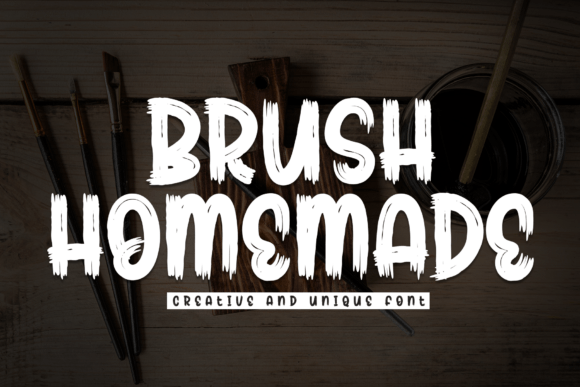
Brush Homemade: A Modern Handwritten Font with a Polished Touch
Brush Homemade is a casual and neat display font that blends simplicity with a warm, approachable character. Designed with clean lines, balanced letterforms, and gently rounded edges, it captures the essence of modern handwritten typography while maintaining a refined finish. Whether used for branding, packaging, headlines, or digital content, Brush Homemade offers a versatile and inviting typographic solution that works well across multiple design contexts.
Distinctive Features of Brush Homemade
What sets Brush Homemade apart is its ability to combine the organic feel of handwriting with the clarity of a well-structured typeface. Unlike more exaggerated brush scripts, this font maintains a level of restraint that makes it suitable for both print and digital applications. Its subtle curvature and even spacing provide a sense of rhythm that enhances readability without sacrificing personality.
The font’s polished finish makes it ideal for projects that require a touch of warmth without veering into overly casual or informal territory. It strikes a balance between modern minimalism and expressive typography, offering a clean aesthetic that still feels personal and handcrafted.
How Brush Homemade Stands Against Similar Fonts
When compared to other display fonts in the handwritten or brush script category, Brush Homemade holds its own by prioritizing legibility and adaptability. Many similar fonts lean heavily into the “hand-drawn” look, which can sometimes compromise clarity, especially at smaller sizes or in digital formats. Brush Homemade, on the other hand, maintains a crisp structure that ensures readability across mediums.
It’s also more restrained than many brush script fonts that feature dramatic strokes and high contrast. This makes Brush Homemade a better fit for designs that need to communicate approachability without appearing too playful or informal. For instance, in branding applications where a company wants to feel personable yet professional, Brush Homemade may be a better choice than a more stylized alternative.
Strengths of Brush Homemade
- High readability: The font’s balanced proportions and clean lines make it easier to read than many stylized handwritten fonts.
- Versatile application: It works well across a variety of design formats, including logos, packaging, headlines, and user interfaces.
- Warm and inviting tone: Maintains a friendly aesthetic that appeals to audiences looking for a human touch in design.
- Polished finish: Offers a more refined appearance compared to rougher or more organic handwritten fonts.
Tradeoffs and Considerations
While Brush Homemade is a strong option for many design scenarios, it’s not universally ideal. Because it’s a display font, it’s best used for short bursts of text rather than extended body copy. Using it in long paragraphs could reduce readability and visual comfort, especially on screens.
Additionally, if a project calls for a more dramatic or bold typographic statement, Brush Homemade might not provide the visual impact needed. In such cases, a more expressive brush script or a contrasting font combination may be more appropriate.
When Brush Homemade Is the Right Choice
Brush Homemade shines in contexts where clarity and warmth are equally important. It’s particularly effective for brands that want to appear friendly yet professional—think boutique shops, lifestyle brands, or wellness platforms. Packaging design also benefits from its clean yet personable style, helping products stand out on shelves with a handmade appeal that doesn’t feel unrefined.
For digital content like social media graphics or website headers, Brush Homemade adds a touch of personality without overwhelming the layout. It pairs well with simpler sans-serif fonts, allowing for a modern and cohesive design language.
When to Consider Alternatives
If a project requires a more traditional or formal tone, Brush Homemade may not be the best fit. Fonts with serif elements or more structured sans-serif designs might be more appropriate for academic, legal, or corporate contexts. Similarly, if a highly stylized or artistic typographic presence is needed, designers might explore more dramatic brush scripts or custom lettering options.
For long-form body text, especially in print or digital publications, it’s generally better to use a dedicated text font with optimized spacing and character design for extended reading. Brush Homemade can still play a supporting role in these cases—used effectively in headings or callouts to maintain visual consistency.
Practical Examples and Use Cases
- Branding: A local coffee shop uses Brush Homemade in its logo and packaging to convey a cozy, handcrafted experience.
- Website headers: A lifestyle blogger uses the font for post titles to add a personal, approachable feel to the site’s design.
- Social media visuals: A small business owner incorporates Brush Homemade into Instagram graphics to maintain a friendly and consistent brand voice.
- Print materials: A wedding invitation suite uses the font for names and event details, blending elegance with a handwritten charm.
Making an Informed Design Decision
Choosing the right font involves more than just aesthetics—it’s about matching typographic qualities with the intended message and audience expectations. Brush Homemade offers a compelling middle ground between casual and refined, making it a versatile choice for designers who want to convey warmth and professionalism simultaneously.
When evaluating Brush Homemade alongside other display fonts, consider the intended use, the tone of the message, and how the font interacts with other design elements. If the goal is to create a design that feels both personable and polished, Brush Homemade is worth serious consideration. However, if the project demands a more formal or dramatically stylized appearance, exploring other font categories may lead to a better outcome.